


Explanatory Guide: Swelling Phenomena in Film-Based Hot Melt Pressure-Sensitive Labels
2026-04-10

News
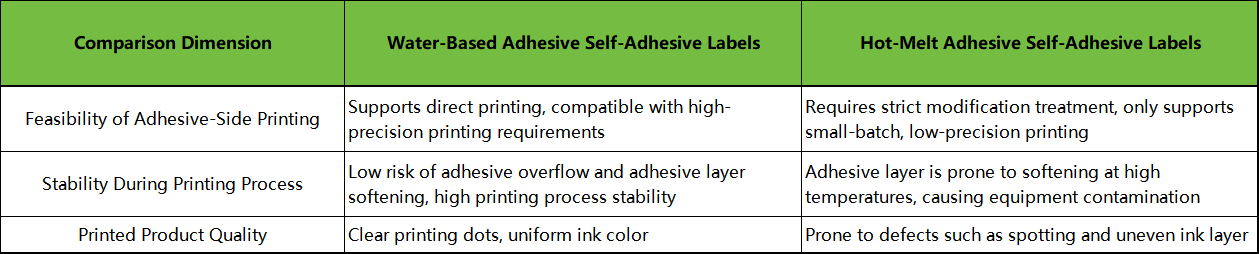
Adhesive-side printing is a specialized process in the self-adhesive label industry that applies graphic and text printing onto the surface of the label’s adhesive layer. Its core requirements include extremely high standards for the surface flatness and thermal stability of the substrate adhesive layer, reliable adhesion between the ink and the adhesive layer, and preservation of the adhesive layer’s original tack throughout the printing process.
For this process, hot-melt adhesive (HMA) self-adhesive labels have poor compatibility, and direct adhesive-side printing is not recommended. Only through strict material modification paired with a dedicated printing process can small-batch, low-precision graphic printing be achieved with limited success. The core cause of this compatibility limitation lies in the inherent material properties of hot-melt adhesives, which are analyzed in detail below.
Hot-melt adhesives inherently have high initial tack and are susceptible to softening and deformation when exposed to heat, with a softening temperature range of 60–120°C. The temperatures required in the printing and drying process (e.g., 70–80°C for ink drying, thermal radiation from UV curing) will directly cause softening and blocking of the adhesive layer.
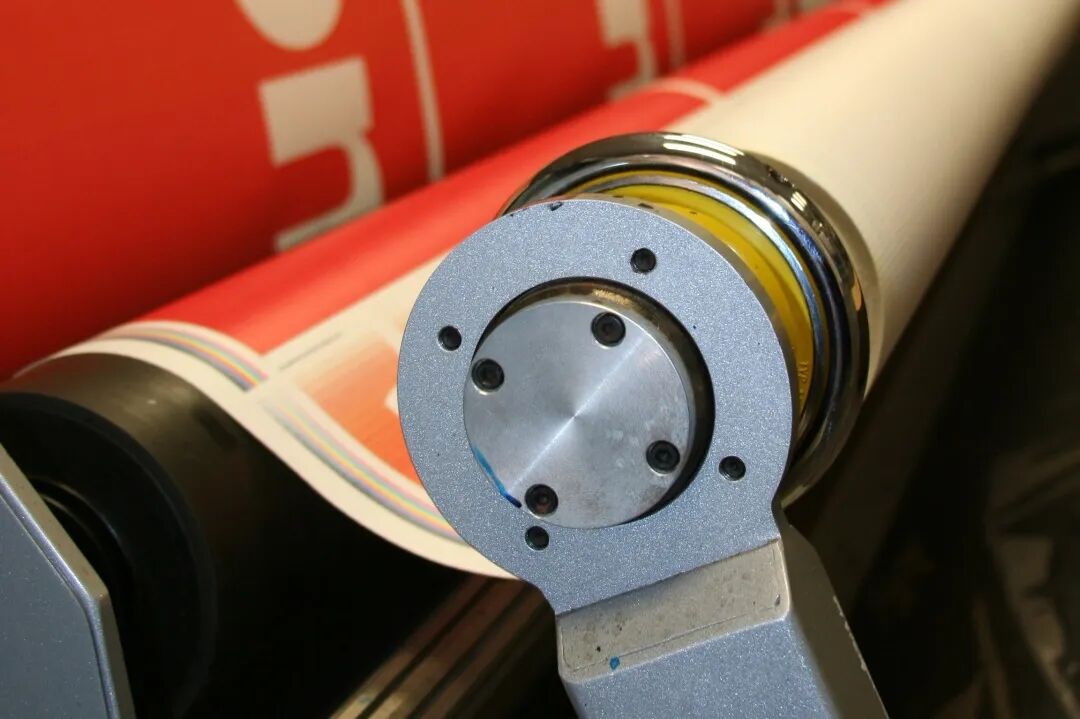
During direct adhesive-side printing, the softened adhesive layer comes into contact with equipment components such as printing rollers and printing plates. Its extremely high initial tack intensifies adhesive adsorption, which in turn leads to adhesive overflow and roller build-up. This not only contaminates the printing plates and rollers, but also causes frequent equipment shutdowns for cleaning, severely impacting production efficiency. At the same time, it may cause secondary issues such as printing plate damage and label surface scratching, reducing the yield of printed products, and even hindering the normal execution of subsequent processes including die cutting and waste matrix removal.
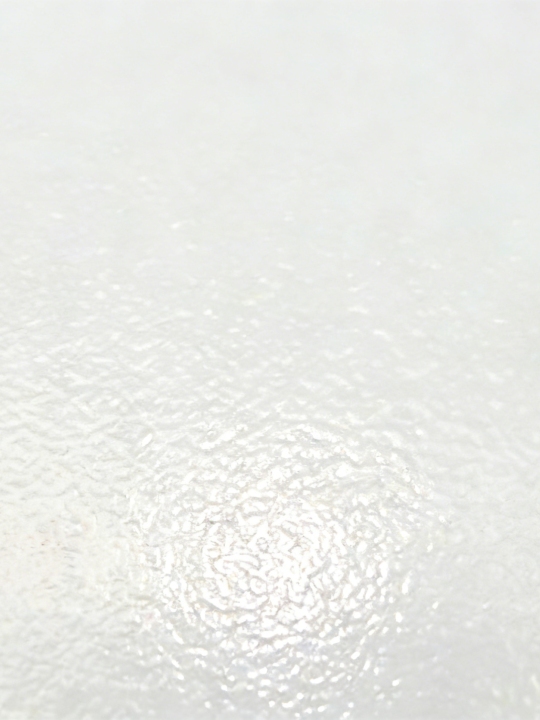
During the hot-melt adhesive coating process, surface defects such as craters, orange peel texture, and pinholes are prone to occur. Impression marks may also be left on the adhesive surface after label rewinding. Direct printing on such an adhesive surface will result in issues including uneven ink coating, partial missing print/spotting, and blurred printing dots, which fail to meet the basic graphic clarity requirements for labels.
It is recommended to directly select water-based acrylic pressure-sensitive adhesives or solvent-based acrylic pressure-sensitive adhesives to replace hot-melt adhesives. This type of PSA features excellent surface performance and high flatness of the adhesive layer. Without any modification treatment, it is directly compatible with multiple printing methods including offset printing, flexographic printing, and digital printing, meeting the printing requirements of various high-precision labels.
Unlike hot-melt adhesives, water-based adhesive self-adhesive labels support direct adhesive-side printing, with far superior printing compatibility compared to hot-melt adhesive (SBS/SIS type) self-adhesive labels, making them the optimal adhesive type for adhesive-side printing. Their core advantages stem from the inherent material properties of water-based adhesives, which are detailed below:
Water-based adhesives use water as the solvent. During the curing process, the water gradually evaporates, and the resin particles in the adhesive cross-link with each other to form a uniform film. As a result, the adhesive surface of water-based adhesives is smooth and dense, free from the common defects of hot-melt adhesives such as craters, orange peel texture, and impression marks. Printing on this surface ensures uniform ink coating and clear dots, fully meeting the requirements of high-precision graphic printing.
In the high-temperature environment of printing and drying, the water-based adhesive layer is not prone to softening or adhesive overflow, which prevents contamination of printing plates and equipment and ensures the smooth progress of the printing process.